If you have noticed a damp patch on the ceiling or a few tiles looking a bit worse for wear after a windy week, you are probably wondering whether your roof still has some life left in it. Roofs do not last forever, and here in Stafford, our weather can be pretty tough on them. In this article, we will walk through the clearest signs that you might need a new roof, what causes roofs to wear out, and what you can do about it.
Why roofs in Stafford take a battering
Stafford sees its fair share of rain, wind, and the odd frosty spell in winter, and all of that weather adds up over time. Roof materials expand and contract as temperatures shift, tiles loosen after strong gusts, and moisture creeps into tiny gaps you would never notice from ground level. Over the years, this wears down even the sturdiest roof.
Most roofs are built to last several decades, but that lifespan depends heavily on how well the roof has been looked after. A roof that has had regular attention tends to outlast one that has been ignored. Small problems, like a cracked tile or a bit of moss, do not sound serious, but left alone they can turn into much bigger headaches. Keeping on top of small roof issues early on can make a real difference to how long your roof lasts.
Signs you need a new roof Stafford homeowners should watch for
There are some fairly obvious clues that your roof might be nearing the end of its life, and some that are a bit sneakier. Let us go through the main ones.
The first is age. If your roof is over 20 years old and has not had major work done, it is worth getting it checked properly. Materials like felt and older tile roofs tend to weaken around this point, even if everything looks fine from the outside.
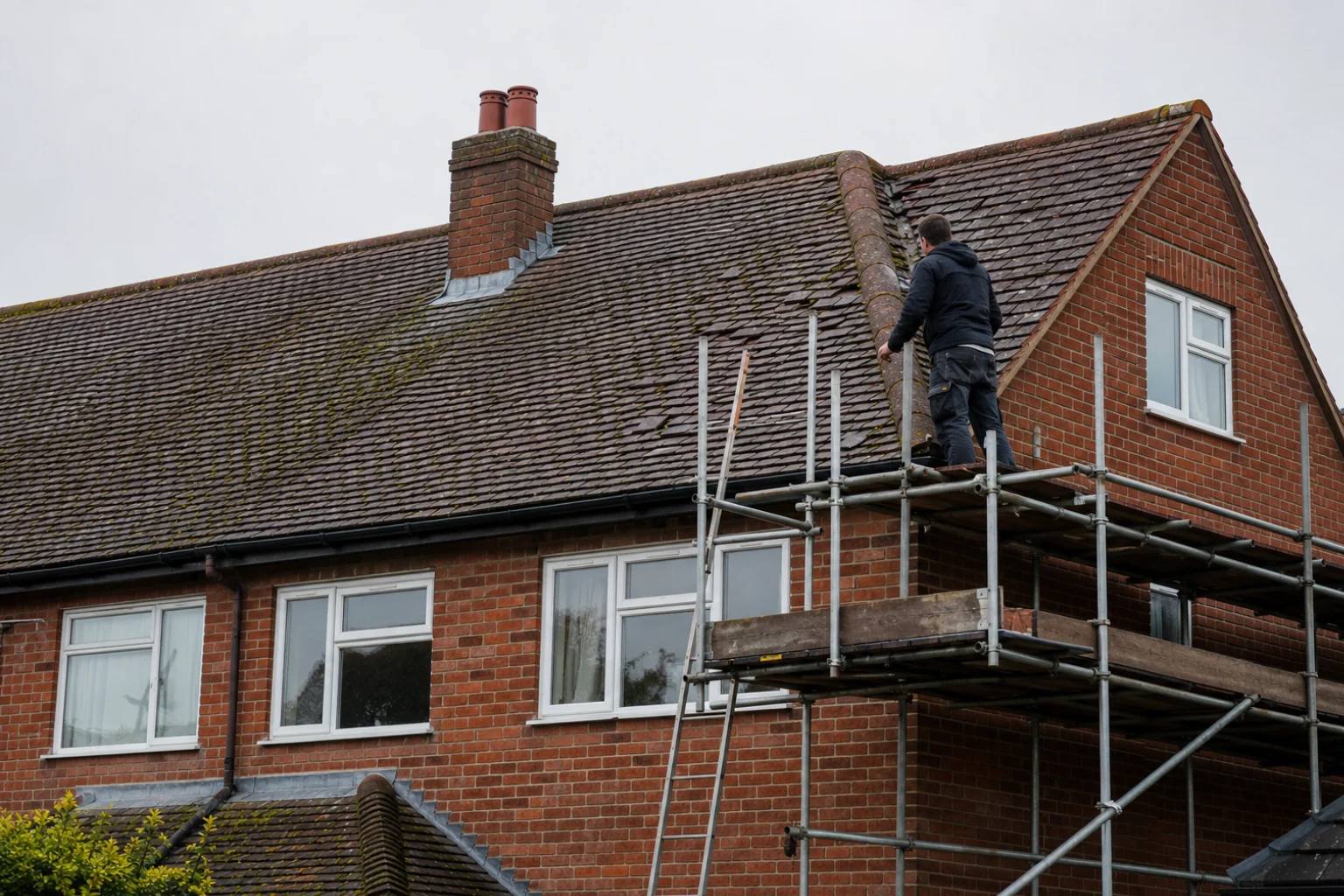
Next, take a look at your tiles. Are any missing, cracked, or slipping out of place? A few loose tiles might just need repairing, but if you are finding damage across large sections of the roof, that often points to wider wear that a new roof would sort out properly.
Sagging is another big one. A roofline should be straight and even. If you notice dips or a slight bowing shape, this can mean the structure underneath has weakened, possibly from trapped moisture or rot in the timber. This is not something to leave, as a sagging roof can become dangerous.
Daylight coming through your loft is a strong sign too. Head up into your loft space on a bright day and look for any pinpricks of light. If you can see daylight, water can get in just as easily, which means your roof is no longer doing its job properly.
Granules collecting in your gutters is another clue, particularly if you have a felt or shingle style roof. These little granules protect the roof from the sun, and once they start washing away in large amounts, the roof beneath is left exposed and ages much faster.
Finally, keep an eye on your energy bills. If they have crept up without an obvious reason, poor roof insulation caused by damage or wear could be letting heat escape. A roof in good condition helps keep your home warmer for longer, which saves you money too.
What happens if you ignore the warning signs
Putting off roof repairs might feel like the easier option, but small issues rarely stay small. A tiny leak can spread into damp patches across ceilings and walls, and damp encourages mould, which is not great for anyone’s health. Water getting into your loft can also damage insulation, wiring, and stored belongings.
Structural damage is the biggest worry. Timber that stays wet for long periods can rot, and once that happens, the whole structure of your roof is weakened. What might have been a straightforward repair turns into a much bigger and more expensive job. Booking a repair early, before water gets a proper chance to cause damage, tends to save homeowners a lot of stress and money in the long run. You can book a roof repair to prevent water damage before things get out of hand.
A new roof Stafford residents can trust to last
If you have gone through the signs above and think a full replacement might be on the cards, it helps to understand what a good roof replacement actually involves. It is not just about swapping old tiles for new ones. A proper job includes checking the timber structure underneath, replacing any felt or membrane layers, sorting out ventilation, and making sure everything is fitted correctly so it can cope with whatever the Stafford weather throws at it.
Choosing the right materials matters too. Some homes suit traditional tiles, while others might benefit from flat roofing systems, particularly on extensions or garages. If you have a flat section of roof that keeps causing problems, it might be worth looking into flat rubber roofing, which tends to be more durable and easier to maintain than older felt systems.
A new roof is a big decision, and it is completely normal to want a second opinion before committing to anything. Getting a professional to have a proper look before you decide is one of the best steps you can take.
Getting a professional roof inspection first
Before you decide whether you need a full replacement or just a repair, it really helps to get a trained pair of eyes on the problem. Climbing up onto your own roof is not something we would recommend, both for safety reasons and because spotting the early signs of damage takes a bit of know-how.
A professional roof inspection gives you a clear picture of what is actually going on. Sometimes homeowners assume the worst and are pleasantly surprised to learn that a repair will do the job just fine. Other times, an inspection reveals hidden problems that were not obvious from the ground, giving you the chance to deal with them before they get worse.
At Evolution Roof Solutions, we always recommend getting things checked properly rather than guessing. It gives you peace of mind either way, and it means any decision about repairing or replacing your roof is based on solid information rather than worry.
FAQs
How long should a roof in Stafford typically last?
Most tiled roofs last between 25 and 50 years, while felt roofs tend to last around 20 years. This depends a lot on the quality of the original installation and how well the roof has been maintained over time.
Can I repair my roof instead of replacing the whole thing?
In many cases, yes. If the damage is limited to a small area, such as a few slipped tiles or a small leak, a repair is often all that is needed. Wider damage, sagging, or structural rot usually means a replacement is the safer long-term choice.
How much does a new roof cost in Stafford?
Costs vary depending on the size of your roof, the materials used, and the amount of structural work required. It is always best to arrange a proper assessment so you get an accurate figure based on your specific home rather than a rough guess.
What should I do if I notice a leak right now?
Try to catch any dripping water with a bucket, move furniture or belongings out of the way if you can, and get in touch with a roofing professional as soon as possible. Acting quickly reduces the risk of further damage to your home.
Spotting the signs early makes a real difference, whether that means a simple repair or planning for a full replacement. Roofs do not tend to fail overnight, so paying attention to the small details now can save a lot of trouble later on. Whether you have noticed a few loose tiles, a sagging patch, or you are simply due for a check-up, our team can help you work out the best next step. Have a look at our roof repair services, explore what we offer on our homepage, or get in touch through our contact us page to arrange a chat with the team at Evolution Roof Solutions today.